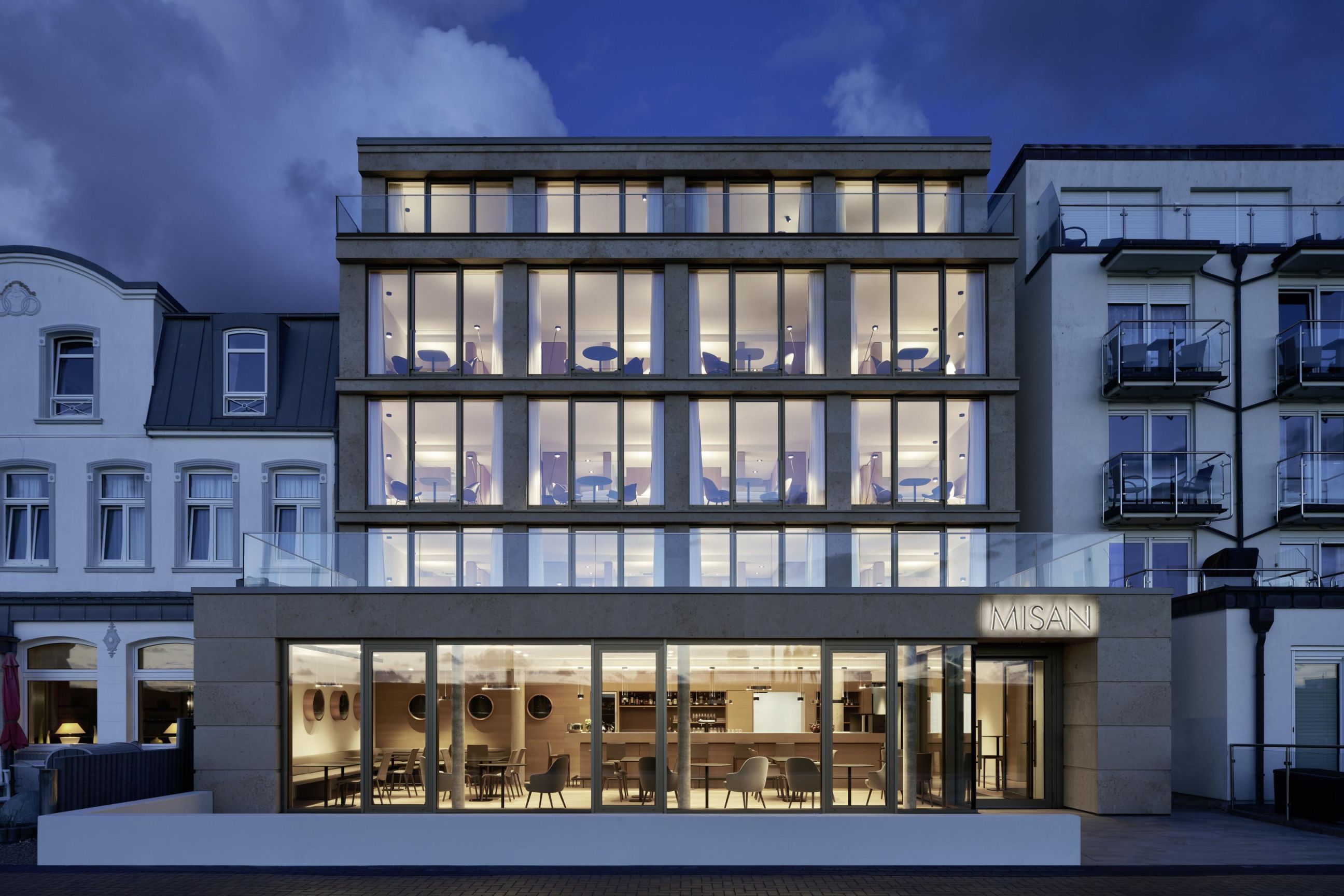
“Occhio was involved in every step of the project from start to finish – from the initial concept to the final commissioning. Thanks to this close international collaboration, we were able to confidently address local requirements and unforeseen challenges. And that’s what ultimately made the result so extraordinary.”
From the concept to implementation
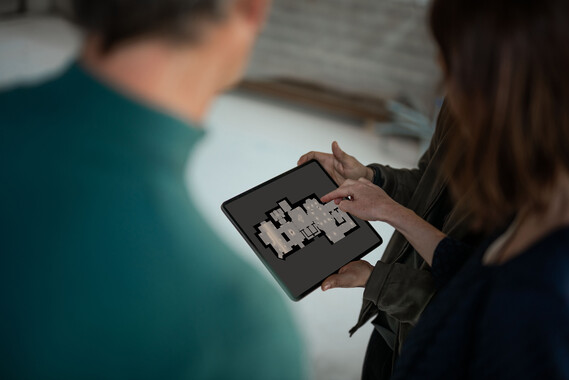
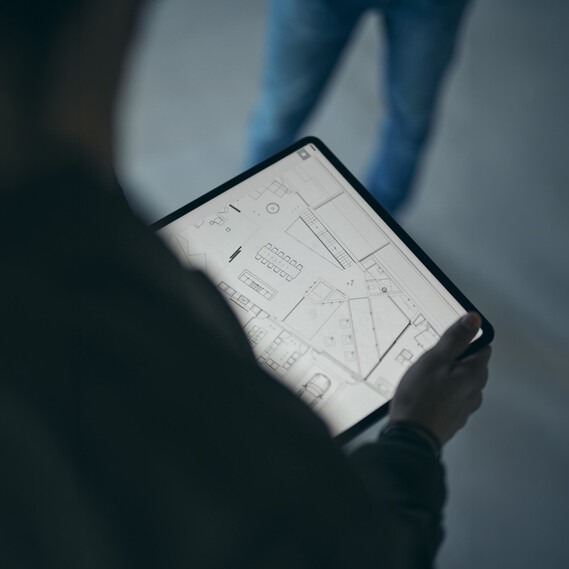
The lighting design is based on the colour temperature of the archetypal light source – the candle – in order to preserve the building’s historic atmosphere. This is achieved through a product range that not only complements the aesthetics of the spaces but is also deeply connected to a commitment to preserving the historic fabric of the buildings. Working closely with Occhio, the architects Adelgunde and Bastian Große Halbuer developed and implemented the various lighting scenarios throughout the hotel, precisely defining where each type of lighting should be used to achieve the desired effect.
The Occhio air control system was integrated to allow for flexible control of lighting moods while meeting high technical standards. Safety lighting and technical components such as drivers, control modules and battery packs had to be integrated into the historic architecture in such a way as to be virtually invisible – using custom-designed canopies or adjacent side rooms, and always involved close coordination with all of the different trades. The lighting concept thus sensitively blends historic elements with modern technology.
Lighting design – Bar, restaurant, lobby
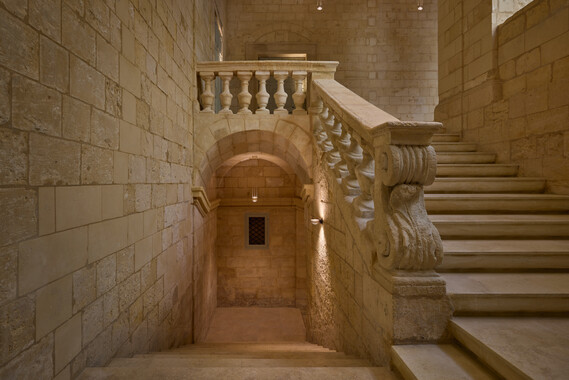
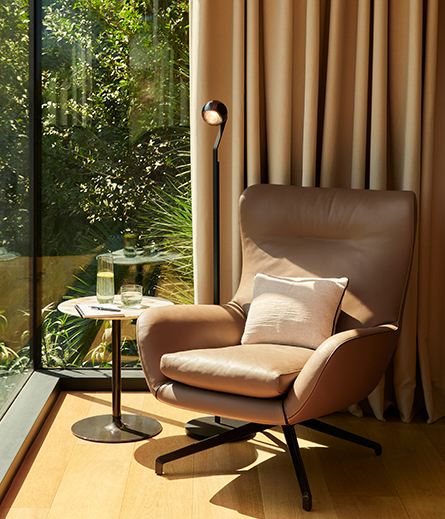
The interplay of natural light runs like a common thread throughout the entire project. During the day, soft natural light floods the lobby through the striking glass roof structure and, as darkness falls, it seamlessly transitions into the warm glow of the Sento sospeso suspended luminaires. The lighting and technical systems were thoughtfully integrated into the existing architecture and the foyer’s glass roof structure, creating a harmonious blend of light and space. In the Conciergerie, the Sento verticale and Sento tavolo add subtle accents and create an intimate atmosphere at the reception desk.
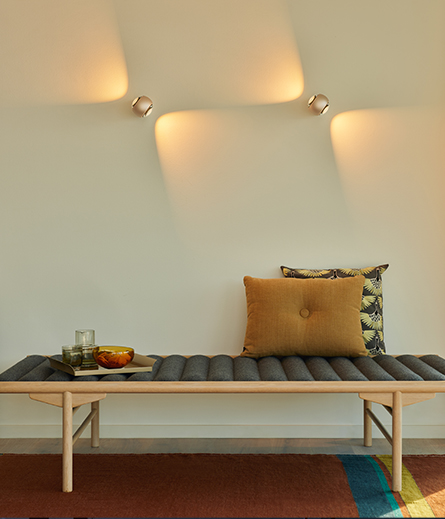
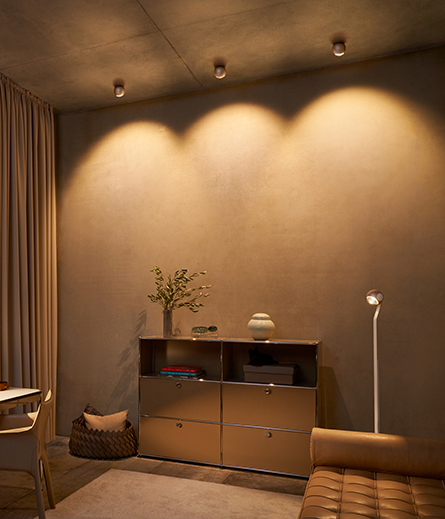
The restaurant and bar also reflect this interplay of light and space. Strategically placed lighting highlights arches, niches, passageways and staircases, creating a visual connection between the hotel’s various areas. Luminaires such as io pico and io verticale highlight the depth and structure of the historic architecture.
The original walls, ceilings and historic barrel vaults presented significant design and technical challenges. Limited options for traditional ceiling lighting called for creative custom solutions, such as the glare-free Coro moon sospeso suspended luminaires above the bar, or the sculptural Coro moon Spider installation, which creates a soft, room-filling atmosphere in the centre of the space.
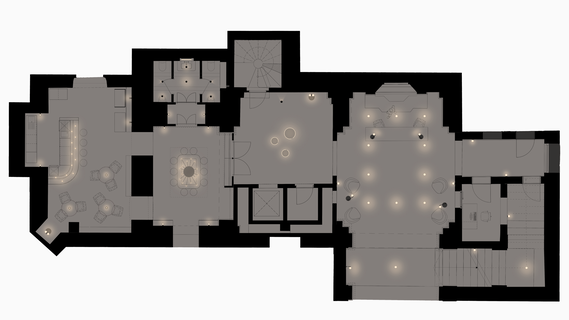
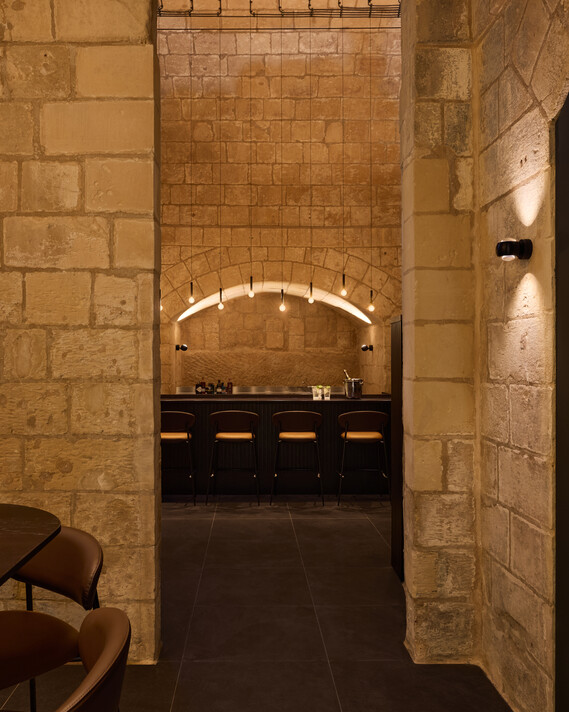
Coro moon sospeso | io pico | io verticale
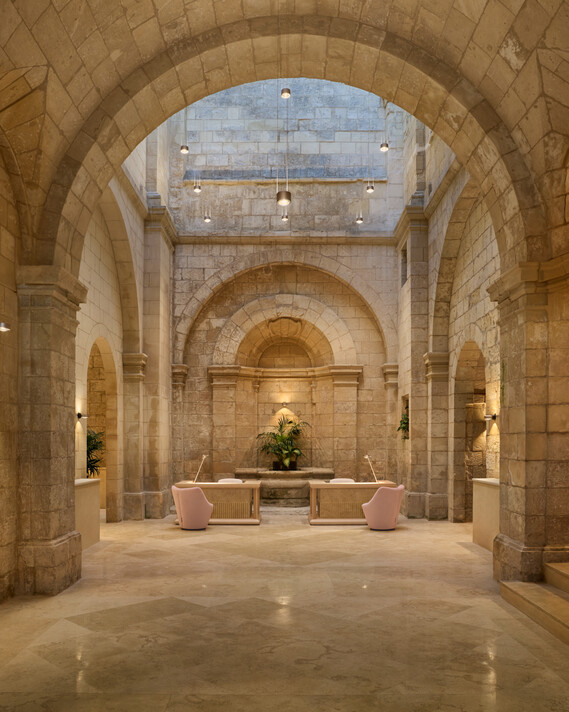
Sento sospeso | Sento tavolo | Sento verticale
Lighting design – Triplex room
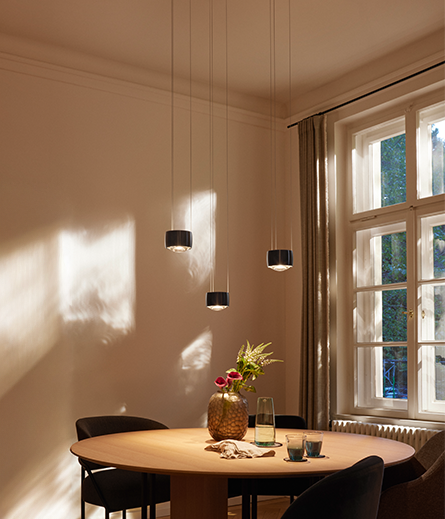
Ceiling height is one of the defining factors in this building and offers almost an unspoken invitation to the architects to play with it. This requires a skilful use of light that, on the one hand, conveys a sense of height, but on the other hand, puts the scale into perspective. The triplex rooms, which span three floors, make use of different levels – some tangible, others perceptible: for example, Gioia lettura in the ground-floor living area serves as an immediate and intuitive tool for creating customised lighting scenarios, while three Mito sospesos suspended above the various levels fill the space and, shining through the windows, project their radiance even beyond the building’s boundaries.
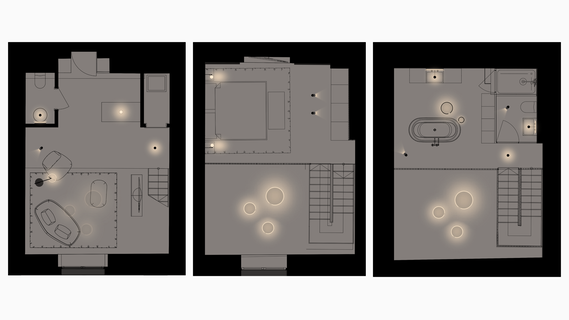
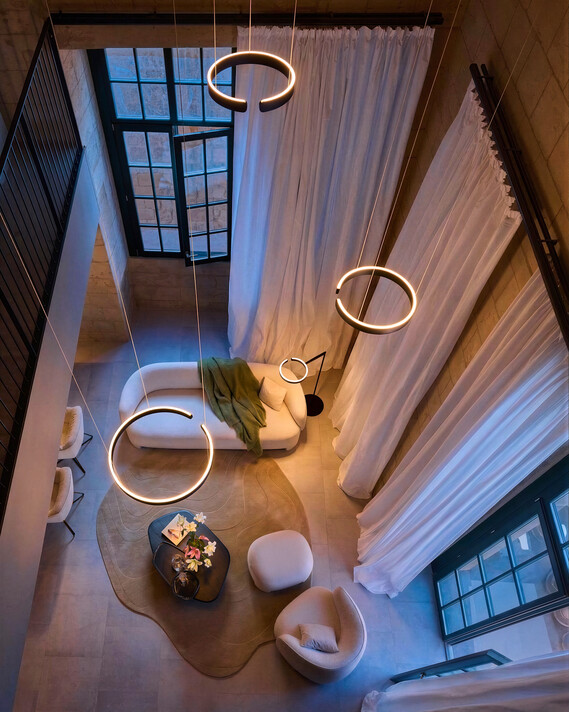
Mito sospeso | Gioia lettura
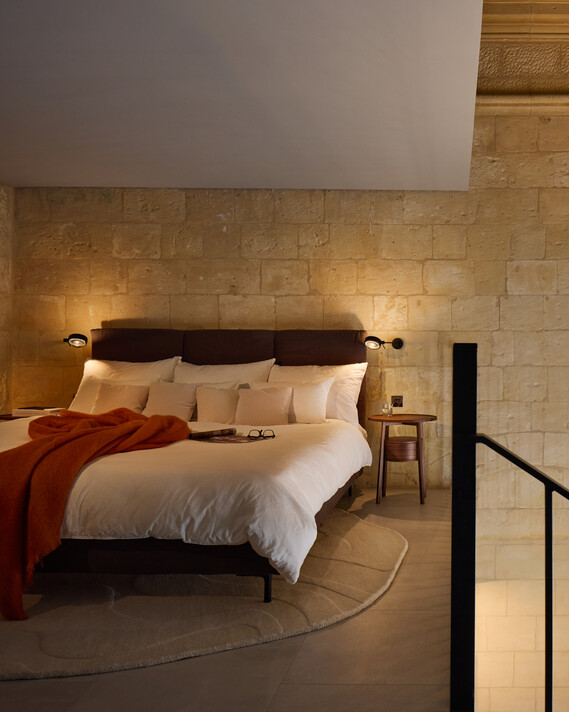
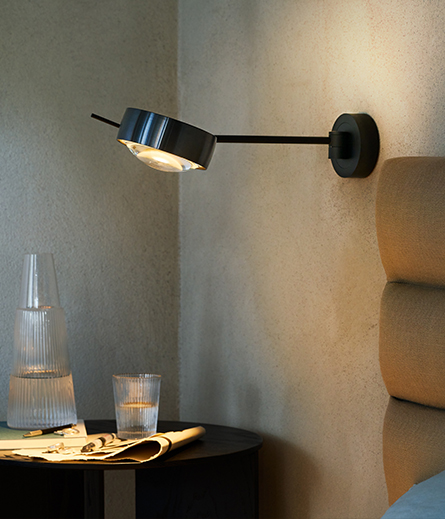
Sento letto
Luminaires of the project
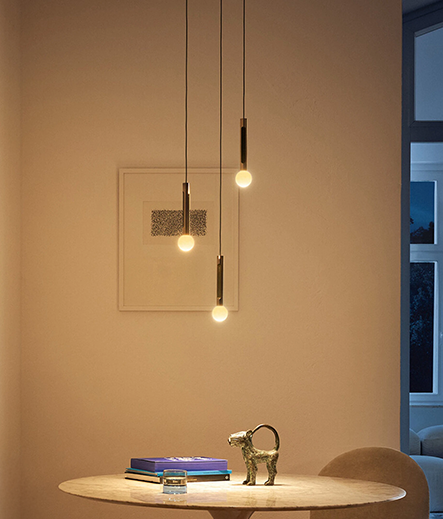
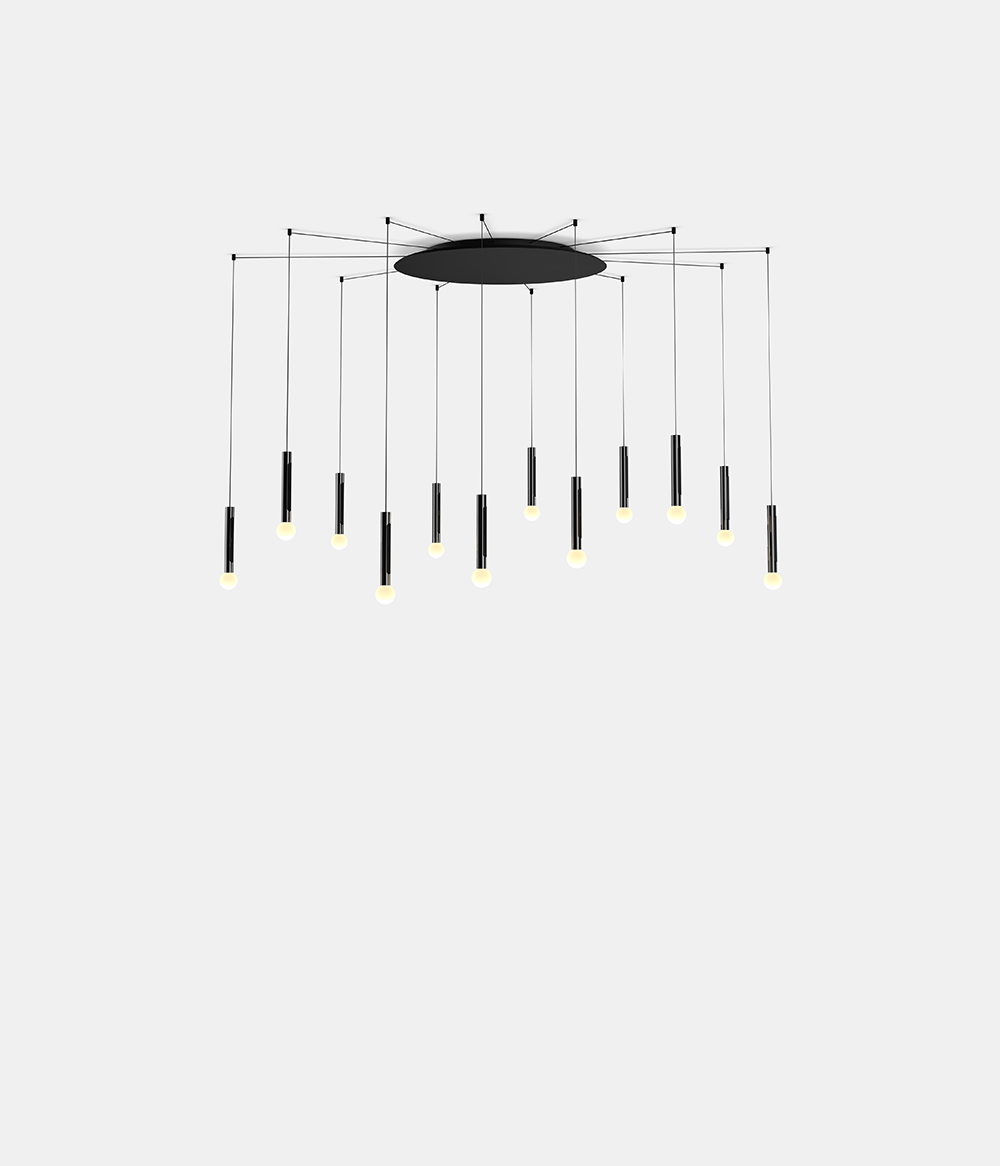

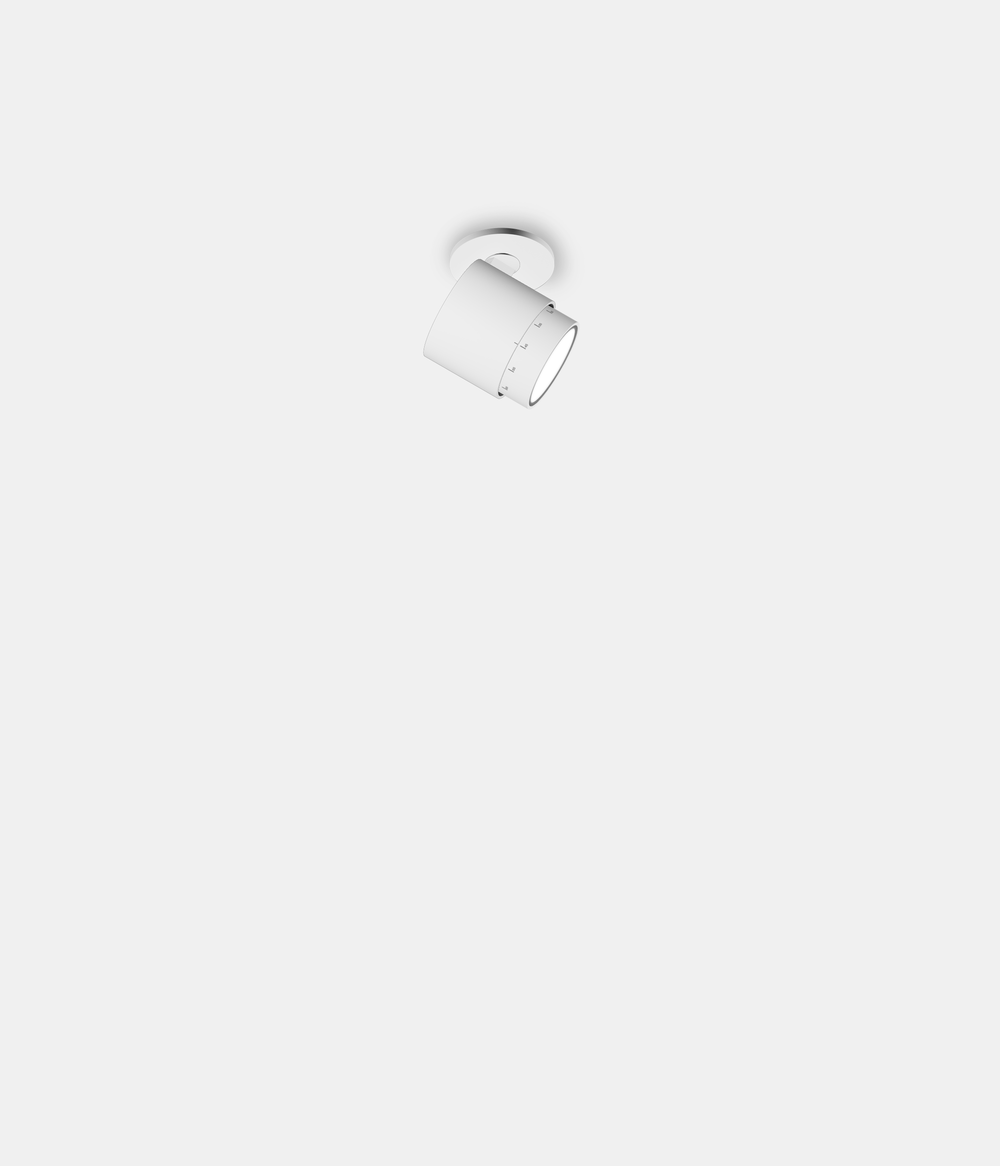
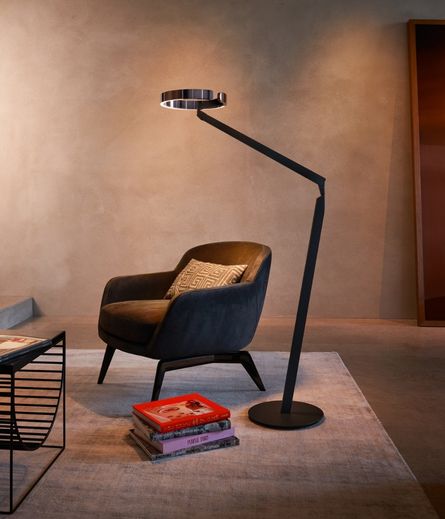
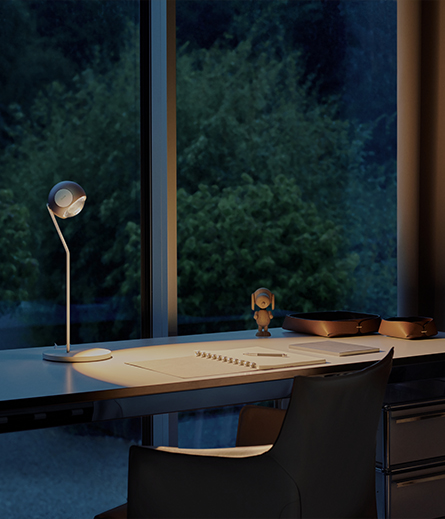
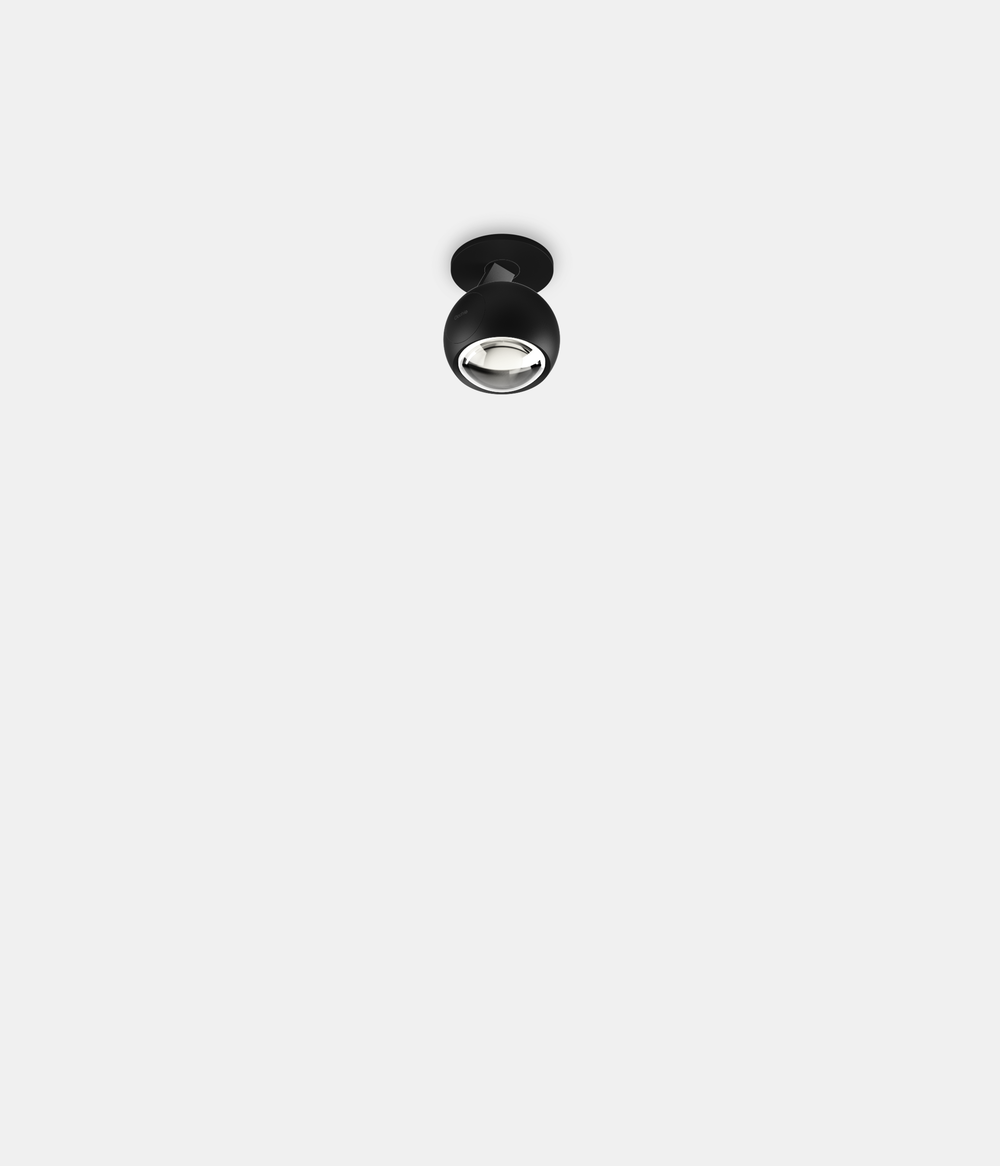
Cugó Gran Vittoriosa
Year of completion: 2026
Architecture: Bastian Große Halbuer – Qcoon Real Estate GmbH
Interior architecture: Architekturbüro Adelgunde Große Halbuer
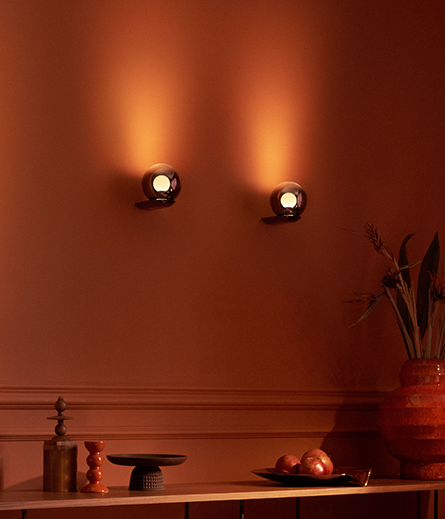
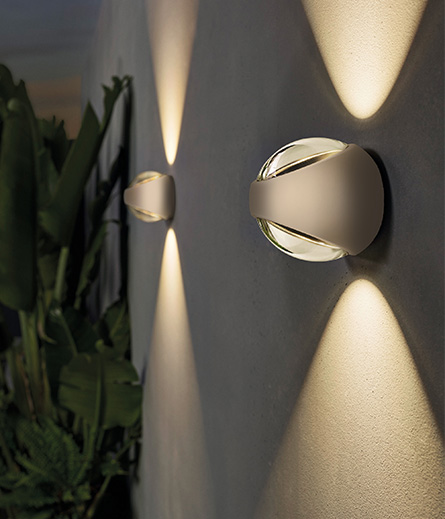
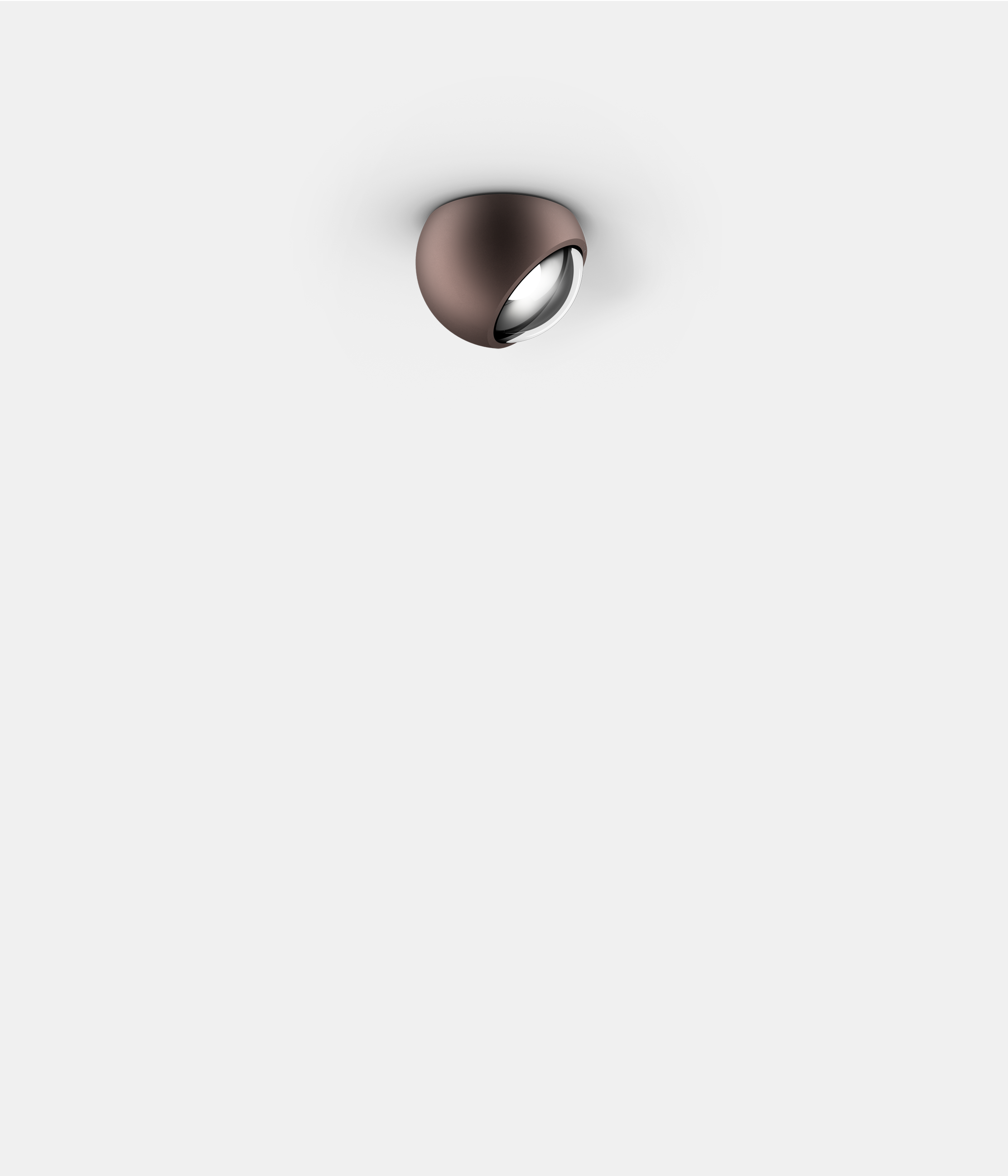
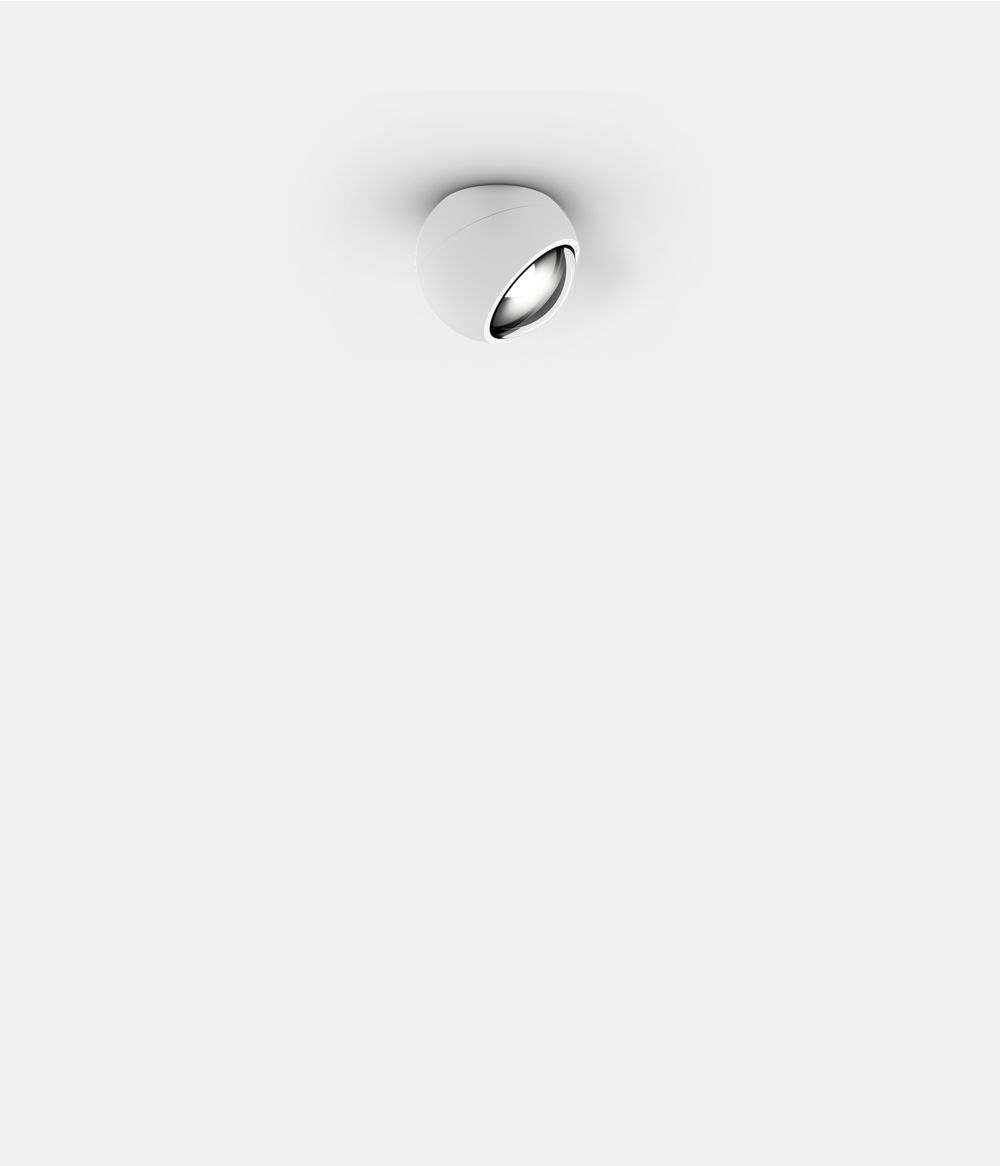
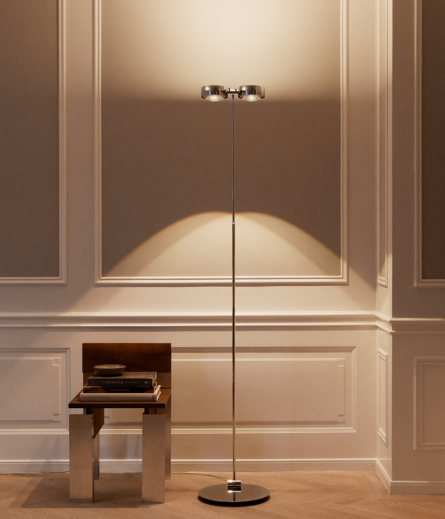
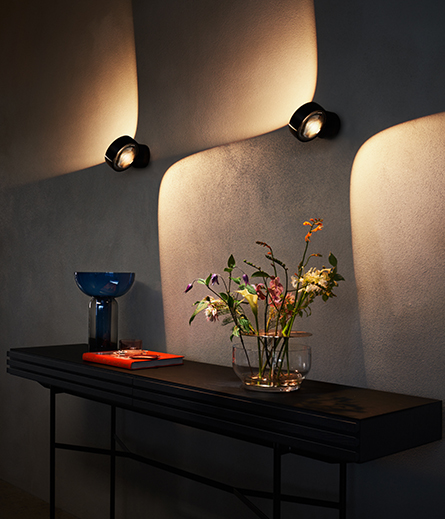
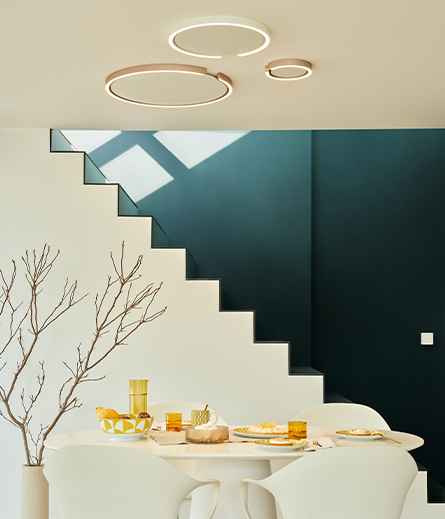
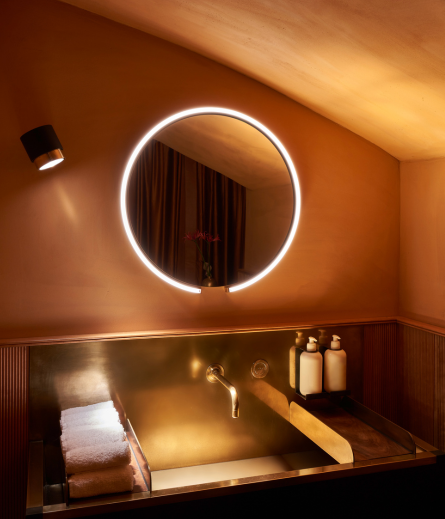
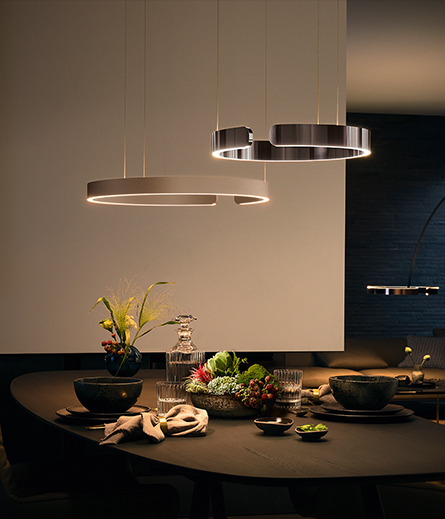
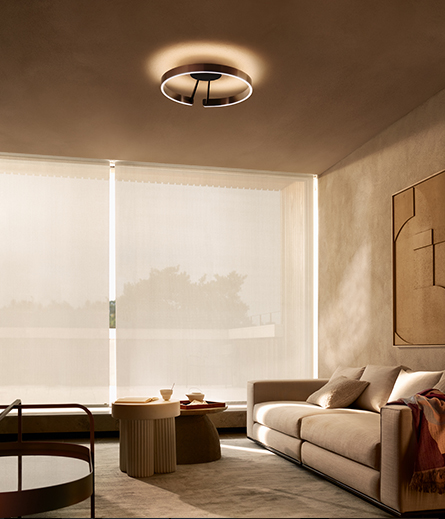
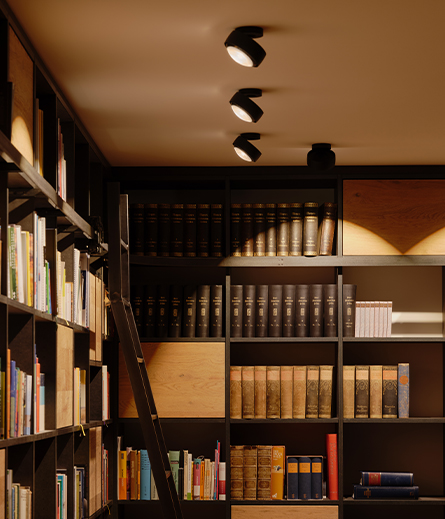
Luminaires: Sento sospeso, Sento verticale, Sento tavolo, Sento letto, Mito sospeso, Mito aura, Mito sfera, Gioia lettura, Coro moon sospeso, Coro moon spider, io verticale, io pico, io giro, Luna pura, Luna parete
Lighting design: Occhio
Photos: Mark Seelen
Video: Looping Group
Discover more projects
View all
High Five, Mallorca
Tohru restaurant, Munich
Casa de la Luz, Mallorca